

Wagenborg publishes Sustainability Report 2025
Royal Wagenborg has published its Sustainability Report 2025, outlining how the company navigates the environmental, safety and governance challenges facing the maritime and logistics sector. The report provides insight into Wagenborg’s performance and choices in a year marked by market pressure, tightening regulation and increasing expectations from customers and society.
The Sustainability Report covers Wagenborg’s global operations across shipping, offshore and nearshore activities and has been prepared in alignment with the EU Corporate Sustainability Reporting Directive (CSRD) and the underlying ESRS standards. While the report has not yet been externally assured, it reflects a more robust and consistent data foundation than in previous years, following the introduction of renewed internal reporting procedures.
Read our latest sustainability report
Explore our progress on environmental, social and governance dimensions in our latest Sustainability Report.

CO₂ reduction and fleet transition
Decarbonisation remains the most significant sustainability challenge for Wagenborg. In 2025, more than 93% of direct greenhouse gas emissions originated from the Shipping division, making fleet efficiency and renewal central to the company’s climate strategy. Wagenborg continues to target a year‑on‑year reduction of at least 2% in carbon intensity and a 40% reduction by 2030 compared to the 2008 baseline.
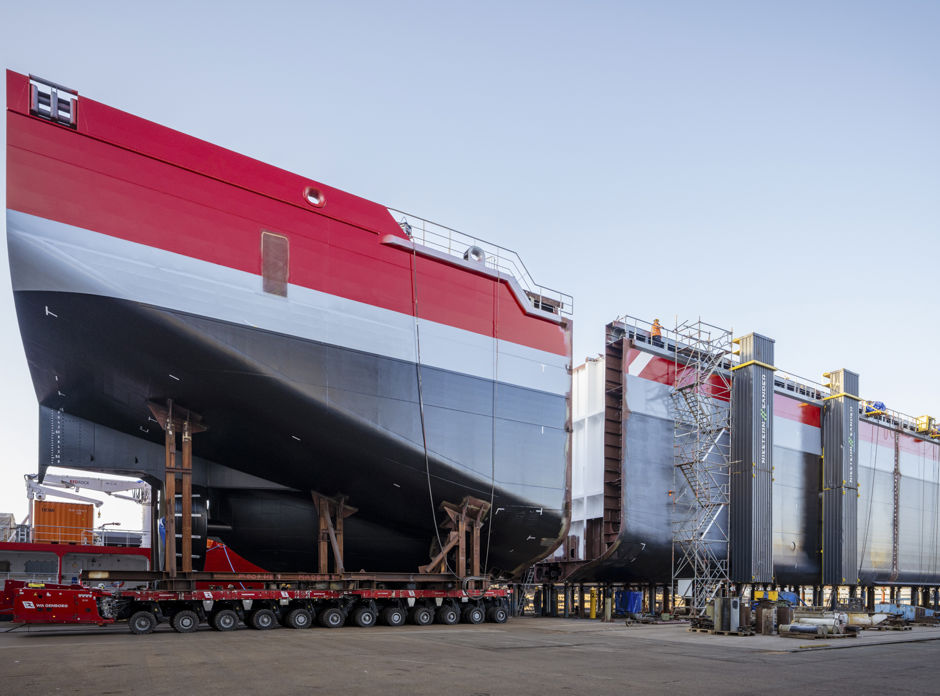
During 2025, Wagenborg bunkered approximately 14,000 tonnes of B30 bio‑blend fuels and continued investments in energy‑efficient vessel design and digital voyage optimisation. The company also progressed with the EasyMax 2.0 newbuilding programme: six fuel‑flexible vessels have been ordered, designed to operate on biofuels today and prepared for future fuels such as methanol, ammonia and LNG.

Safety performance and culture
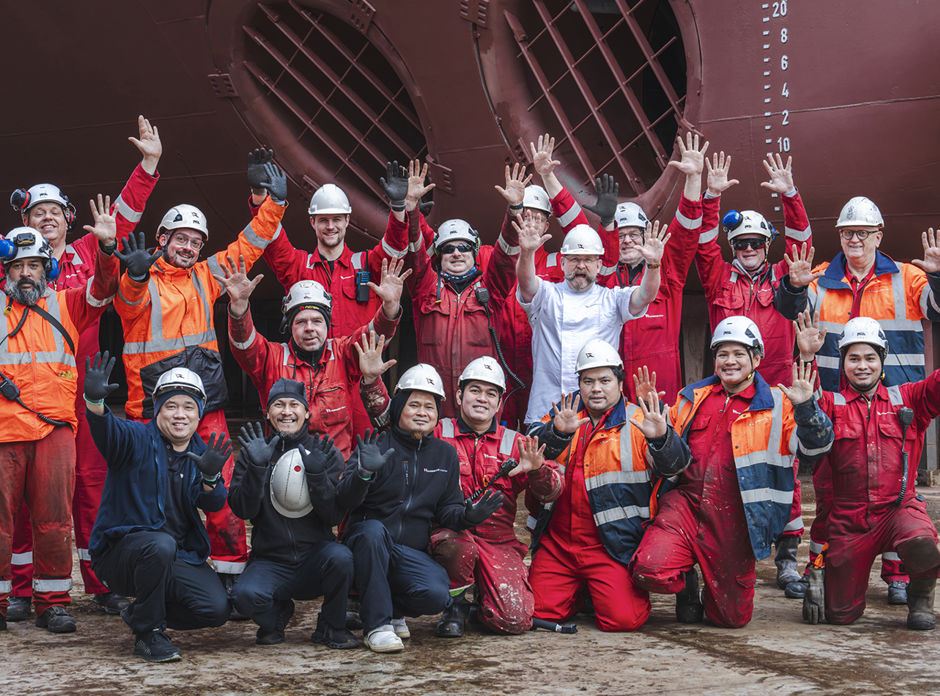
Safety remains Wagenborg’s highest operational priority. In 2025, the company recorded a significant improvement in safety performance. The Lost Time Injury Frequency (LTIF) decreased to 1.15, compared with 2.7 in 2024, while the total number of lost‑time injuries fell from 32 to 18. No fatalities occurred during the year.
According to Egbert Vuursteen, CEO of Royal Wagenborg:
These results reflect sustained attention to safe behaviour, learning and leadership across our operations. At the same time, every incident remains one too many, and safety continues to require daily focus and responsibility from all of us.

Looking ahead
The Sustainability Report 2025 concludes with a realistic outlook. Regulatory pressure, cost developments and technological uncertainty will continue to shape the sector. Wagenborg’s focus remains on long‑term continuity, partnership with customers and steady investment in fleet, systems and people.
The full Sustainability Report 2025 is available below.
